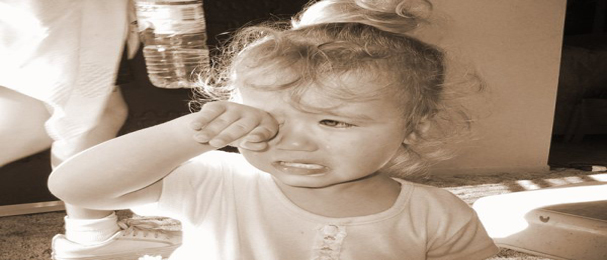

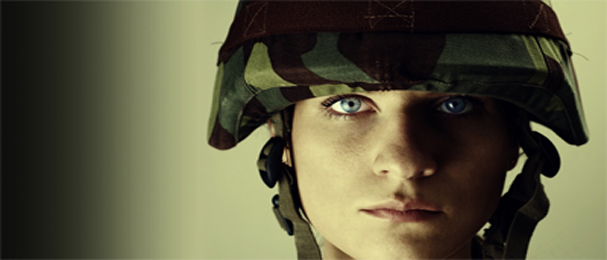

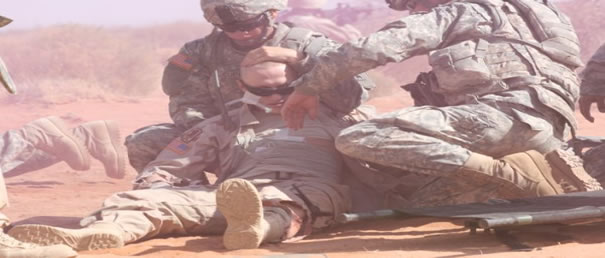
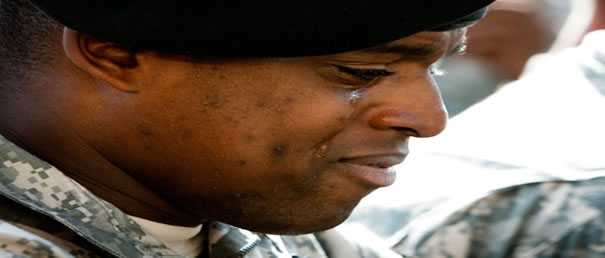
 The Experience of Children from Military FamiliesThe Combat & Operational Stress Research Quarterly, Fall 2009Women At Arm, A Combat Role and Anguish TooInvisible wounds of warServe, Support, SimplifyRacial and Ethnic Disparities in the VA HealthcareAdolescent Brain Development and Juvenile JusticeYoung Vets with PTSD more Prone to Heart Risk Factors
Mission Statement
Warrior-Centric Healthcare Training (WCHT)®
Web-based CME/CE with up to 5 credits—Available 24/7
Warrior-Centric Healthcare Training (WCHT)® is designed to equip Allied Health Team members with the skills necessary for the standard and consistent application of culturally competent methodologies when treating military service members, veterans and their families.
Post Traumatic Stress Disorder (PTSD), depression, and Traumatic Brain Injury (TBI), and other mental and behavioral conditions are being treated in various ways throughout the U.S. Department of Defense (DoD), Veterans Administration (VA), and civilian healthcare systems. This program teaches healthcare professionals how to master these unique clinical situations by exploring the differences in military service, military culture, rank, veterans, gender issues, age, values and beliefs, socioeconomics, race, ethnicity and religion.
CLICK HERE TO DOWNLOAD BROCHURE -->> Warrior-Centric Healthcare Training (WCHT)®
This program was developed to help physicians, physician assistants, nurse practitioners, pharmacists, and nurses. However, other healthcare professionals such as social workers, psychologists, chaplains, behavioral health professionals, and executive healthcare leaders may benefit from the content of this program and will be provided with a certificate of participation.
MedConcert® Portal & Warrior-Centric Healthcare Training (WCHT)®
The Warrior-Centric Healthcare Training (WCHT)® activities are available within the Military and Veteran Learning Community within MedConcert®. This activity is eligible for AMA PRA Category 1 Credit™, AAPA, ACPE, ANCC and AANP Credit; Download brochure for more information and log in instructions.The Steptoe Group Conducts Joining Forces Associated Warrior-Centric Healthcare Training (WCHT)® With Robert Wood Johnson Medical School
Washington—March 19, 2013. PRESS RELEASE: As part of the White House’s Joining Forces Initiative to increase awareness and understanding of the needs of our nation’s military, veterans, and their families for today’s healthcare providers, the Steptoe Group, LLC completed the first phase of the Warrior Centric Healthcare Training (WCHT)® for the Robert Wood Johnson Medical School. This ‘train-the-trainer’ event was the first in a series of training sessions to be conducted with the medical school to inform the faculty, staff and students regarding the unique needs of our military, veterans and their families.
Research and Assessments
Leverage nationally Steptoe Group’s past self-funded assessments at Walter Reed Army Medical Center (WRAMC), National Naval Medical Center ( NNMC), and Ft. Meade’s WTU– “Warrior-Patient Centric Healthcare Assessments (WPCHA)” to expand and continually evaluate, and develop Congressional, Department of Defense, and Veteran Affairs senior leadership reports and policy recommendations.
Iowa State, Steptoe Group Partner to Treat Brain Disorders

The Steptoe Group / Choice Award
On September 19, 2011, The American Alliance of Healthcare providers (AAHCP) awarded the Steptoe Group the Choice Award for Excellence in a Medical Specialty. This video is a recap of the event with an interview with Ronald Steptoe, CEO of the Steptoe Group. Shot and edited Damone Brown of Grace Lens Multimedia.